Heads Up, Ears Down

This blog accurately identifies depictions of violence and cruelty toward animals in films. The purpose is to provide viewers with a reliable guide so that such depictions do not come as unwelcome surprises. Films will be accurately notated, providing a time cue for each incident along with a concise description of the scene and perhaps relevant context surrounding the incident. In order to serve as a useful reference tool, films having no depictions of violence to animals will be included, with an indication that there are no such scenes. This is confirmation that the films have been watched with the stated purpose in mind.


Note that the word depictions figures prominently in the objective. It is a travesty that discussions about cruelty in film usually are derailed by the largely unrelated assertion that no animals really were hurt (true only in some films, dependent upon many factors), and that all this concern is just over a simulation. Not the point, whether true or false. We do not smugly dismiss depictions of five-year-olds being raped because those scenes are only simulations. No, we are appalled that such images are even staged, and we are appropriately horrified that the notion now has been planted into the minds of the weak and cruel.


Depictions of violence or harm to animals are assessed in keeping with our dominant culture, with physical abuse, harmful neglect, and similar mistreatment serving as a base line. This blog does not address extended issues of animal welfare, and as such does not identify scenes of people eating meat or mules pulling plows. The goal is to itemize images that might cause a disturbance in a compassionate household.


These notes provide a heads-up but do not necessarily discourage watching a film because of depicted cruelty. Consuming a piece of art does not make you a supporter of the ideas presented. Your ethical self is created by your public rhetoric and your private actions, not by your willingness to sit through a filmed act of violence.

Showing posts with label Portmanteau. Show all posts

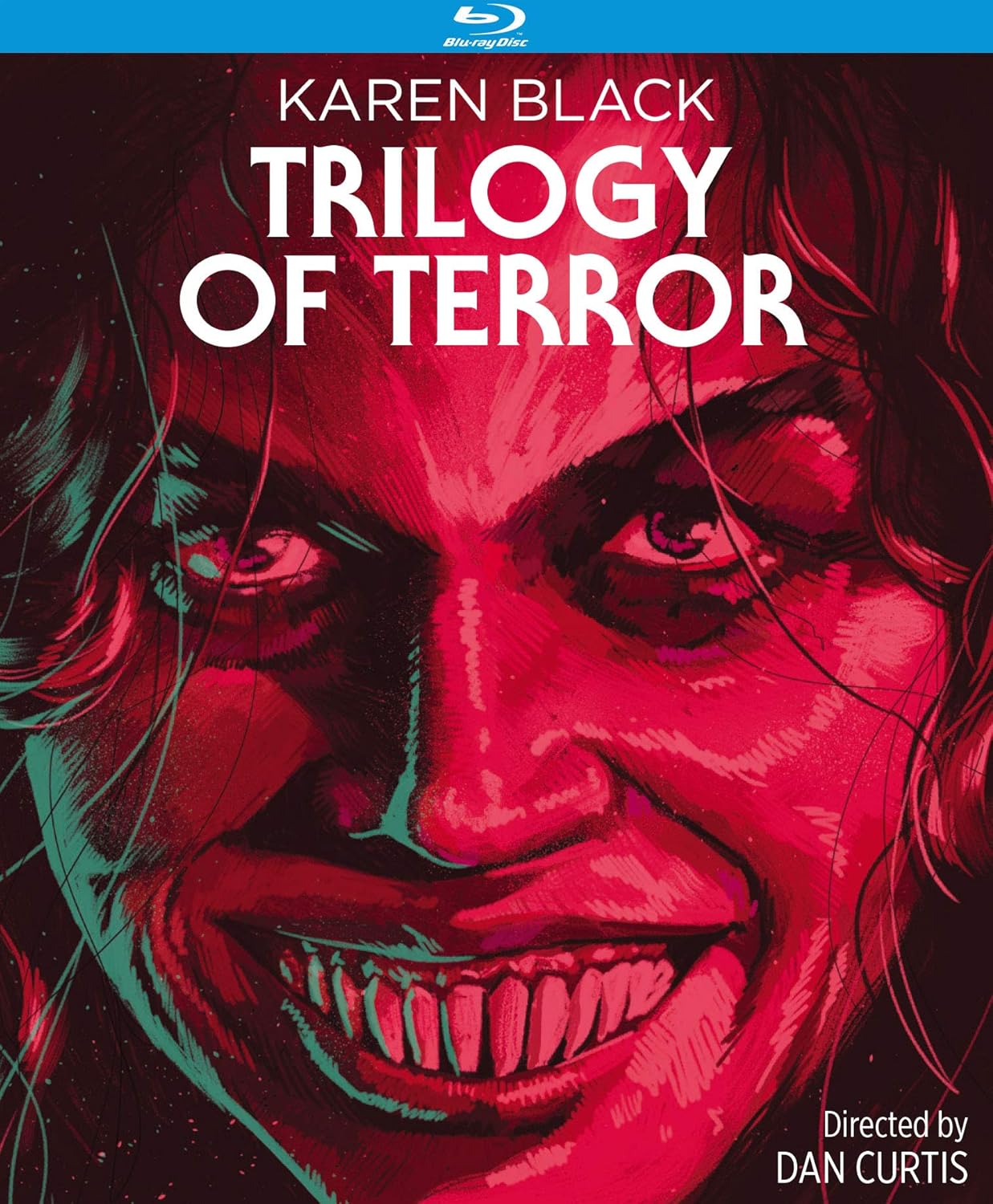
Trilogy of Terror

Trilogy of Terror. Dan Curtis, 1975.
😸
Edition screened: Kino/Lorber Blu-ray, released 2018. English language. Runtime approximately 72 minutes.

Summary: No particular depictions of violence or harm to animals.

Karen Black stars in all three segments of this famous made-for-TV anthology of short films, “Julie”, “Millicent and Therese”, and “Ameilia”. 

This release includes a 17-minute interview with Karen Black from 2006 called “Three Colors Black” that was a real eye-opener. Throughout most of the interview Black relates her believable rise from Broadway chorus girl to TV actress to Hollywood star. But she closes with a smack to the head in which she explains the difference between horror and science fiction, a description so memorable in its unbelievability that I can recall it quite accurately.

Very close to quoted, Black explains: Horror is about cutting up bodies. It’s about blood, and bodies not staying together. Science Fiction is about concepts like going to the moon. I have only ever done Science Fiction films, never horror. I’ve only made concept films based in science.

She concludes by crediting Trilogy director Michael Curtis for teaching this to her. Mind you, we have just watched three short films that are psychological horror in any literate person’s assessment, the first two being adaptations of common Poe-style Gothic tales and the last a fairly bloody Chucky-style story about an unstoppable killer doll. They are unified by a solid absence of anything like Science Fiction. Black also unknowingly discloses that she does not understand that this made-for-TV horror trilogy is a substantial downgrade from the important, quality films that launched her career such as Easy Rider and Five Easy Pieces

I suspect that during the Slasher Film era of the 80s and 90s, Karen Black became embarrassed and confused by her status as a Horror Queen and wished to differentiate that she never made those kind of movies. Agreed, confirmed, whatever. More significantly to cineasts, perhaps a parallel to the career of Klaus Kinsky has been revealed. That exquisite German method actor fell from hyper-A list status to picking up dopey roles in spaghetti westerns and cheap horror films because he was impossible to work with. He deserved his reputation for sinking productions with his childish behavior and for bringing costly struggles to the set that outweighed his talent. Similarly, perhaps it became unacceptably exasperating for directors like Coppola and Schlesinger to continue working with an actresses who unfortunately seems to be as stupid as she looks despite the intermittent sexual attractiveness of that stupid appearance.


House of the Dead (Alien Zone)

House of the Dead (Alien Zone). Sharron Miller, 1978.
😸
Edition screened: Vinegar Syndrome Blu-ray #236, released 2018. English language. Runtime approximately 80 minutes.


Summary: No particular depictions of violence or harm to animals.

Little Showoffs

Little Showoffs. Zachary Strong (as Zachary Youngblood) and Curt McDowell, 1983.
😸
Edition screened: Vinegar Syndrome DVD #222, released 2018. English language. Runtime approximately 80 minutes.


Summary: No animals or references to animals in the film. 4/5

Torture Garden (Francis)

Torture Garden. Freddie Francis, 1967.
😸
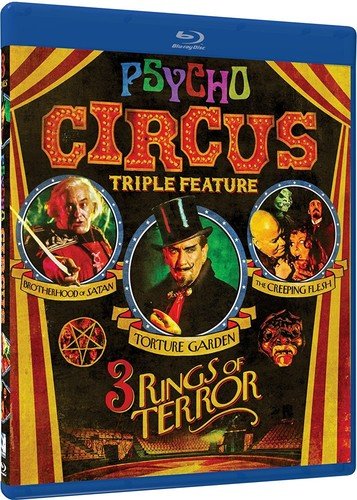
Edition screened: Included on Mill Creek Blu-ray Psycho Circus Triple Feature, released 2017. English language. Runtime approximately 100 minutes.

Summary: No depictions of violence or harm to animals.

The four short horror stories told in Torture Garden are strung together by a thin unifying narrative, a format we all know and approach with a nervous wince. But Torture Garden is one of the better I’ve seen. The tales are uneven, but taken en masse are far superior to the hammy stupidity of Creepshow-style writing, feeling more like Bava’s Black Sabbath.

The first story “Enoch,” about a gypsy fortune and accompanying curse, is only so-so but features an excellent performance by a fat tortie.

The second story “Terror Over Hollywood,” is excellent, rooted in celebrity treachery and the quest for immortality. The stage set of “Danny’s Bar” is not to be missed: a fabulously-decorated swinging lounge with John Coltrane wallpaper and pretty girls in a life-size snow globe.

The third film “Mr. Steinway” stars a haunted piano. It is rather stupid but short, and there are some good interiors.

The final story “The Man Who Collected Poe” is pretty good, and pits Jack Palance against Peter Cushing as two wealthy collectors who dare to confront the supernatural.


The Witches (Dino De Laurentiis)

The Witches (Le Streghe). Various directors, Dino De Laurentiis producer, 1967.
😸
Edition screened: Arrow Blu-ray, released 2018. Italian language with English subtitles. Runtime approximately 120 minutes.

Summary: No particular depictions of violence or harm to animals.

Five short films starring Silvana Mangano, better than some Italian portmanteau films of the era, containing:
  • The Witch Burned Alive (La strega bruciata viva), Luchino Visconti, 40 minutes
  • Civic Duty (Senso civico), Mauro Bolognini, the longest 6 minutes in the world that do not include Peter Sellers
  • The Earth as Seen from the Moon (La Terra vista dalla Luna), Pier Paolo Pasolini, 31 minutes
  • The Sicilian Belle (The Girl from Sicily, La siciliana), Franco Rossi, 5 minutes
  • An Evening Like the Others (Una serata come le altre), Vittorio De Sica, 27 minutes

24 Films

24 Films. Jeff Keen, 1972-75.
😸
Edition screened: Included in BFI Gazwrx: The Films of Jeff Keen Blu-ray/DVD set, released 2009. Scored and/or with sound effects track; no dialogue track. Runtime approximately 18 minutes.


Summary: No particular depictions of violence or harm to animals.

Creepshow 2

Creepshow 2. Michael Gornick, 1987.
😸
Edition screened: Arrow Blu-ray, released 2016. English language. Runtime approximately 90 minutes.

Summary: The second story contains a quick depiction of a duck on a lake apparently in some distress, but there are no meaningful depictions of violence or harm to animals.

The hardware store has a 1977 Sonic Super Straight and a 1976 Williams Aztec pinballs in the hardware store.

Sensual Encounters of Every Kind

Sensual Encounters of Every Kind. Richard Kanter, 1978.
😸
Edition screened: Vinegar Syndrome DVD #106, released 2016. English language. Runtime approximately 76 minutes.


Summary: No depictions of violence or harm to animals. 3/5

Sextoons

Sextoons. Various directors, 1975 compilation.
😸
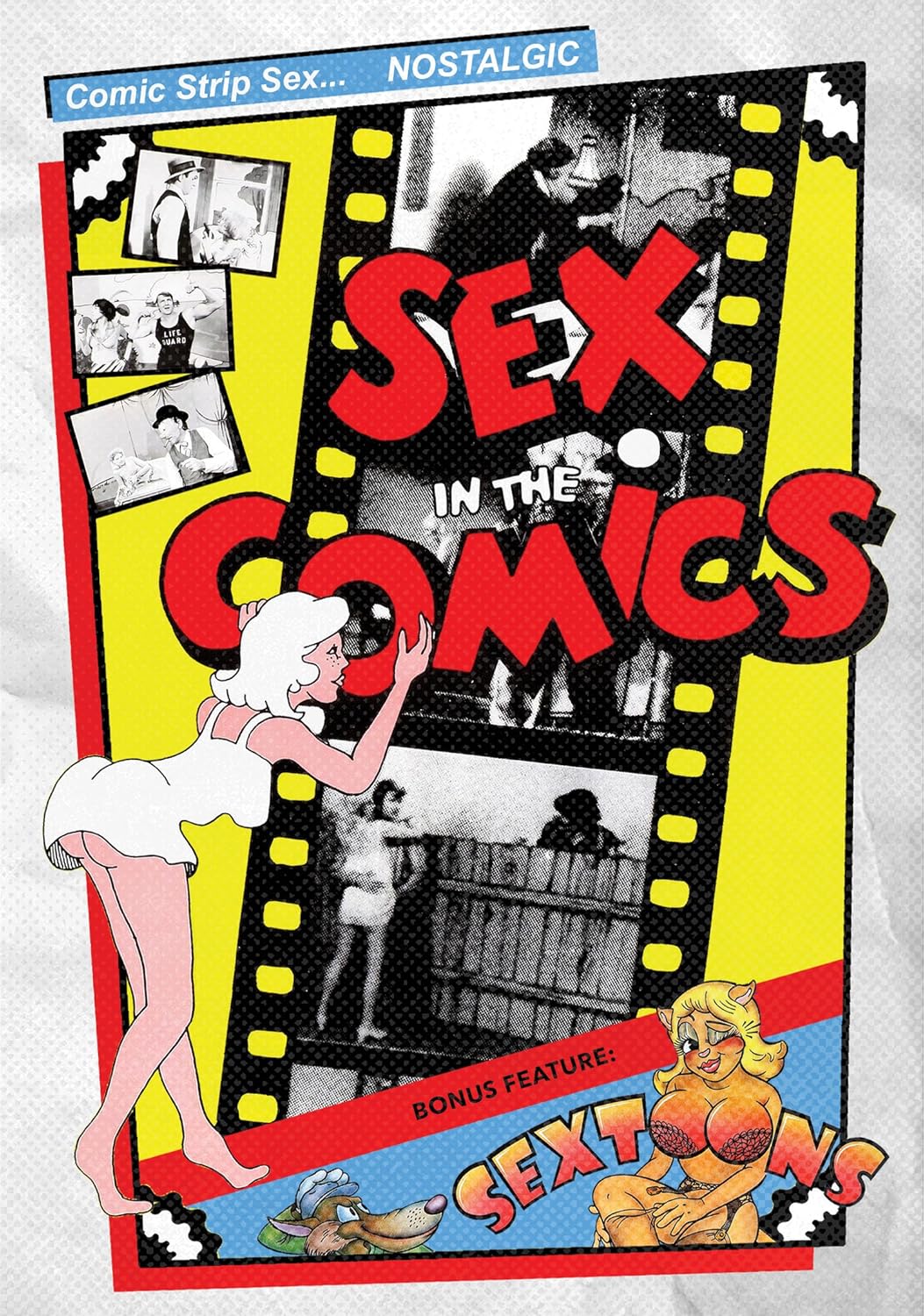
Edition screened: Included on Vinegar Syndrome DVD #130 Sex in the Comics, released 2016. English language. Runtime approximately 82 minutes.

Summary: Some depictions of cartoon animals in sexually compromised situations, but nothing that suggests physical harm.

Sextoons is a portmanteau of diverse animation techniques mostly from the mid 60s through the mid 70s, many in sophisticated psychedelic styles. Most of the artwork is at least good, some are excellent and famous for their artistic quality. For anyone interested in popular visual arts of 60s and 70s, I recommend Sextoons to compliment La Planete Sauvage and Yellow Submarine. I barely even noticed the erotic content in most of these cartoons, as there were more interesting things to think about.

Sextoons includes the following animations:

Boobs a Lot (Leonard Ellis, 1968, with music by The Holy Modal Rounders), approximately 1:15.
Kicking off an animation festival with music by The Holy Modal Rounders says a lot about the cultural literacy and social disposition of the compiling editor. “Boobs a Lot” is a late HMR song. By that time the band had moved beyond teaching hippies about pre-commercial music and now was indulging in Fugs-style enlightened happiness. This animation is simply the three words of the title flashed in various colors and in time with the music, appropriately similar to some works by Harry Smith, a spiritual leader of the academic folk movement. 3/5

Armchair Invention (Gary Moore, 1975), approximately 3:50.
Truly excellent San Francisco-style artwork similar in technique to some Harvey Pekar and Robert Crumb works. The style is Nostalgic Psychedelia, using images and symbols from bygone decades to narrate a story that is visually dense and imaginative. One scene appears to be inspiration for the Shooting Gallery sequence in The Residents’ Stars & Hank Forever, while other scenes are informed by the films of Jeff Keen.  5/5

Little Genitalia (Barry Brilliant and Patrick Kennedy), approximately 3:30.
A claymation story that portrays body parts as children and shows their changing relationships as they grow up. I thought I was going to hate this at first, but warmed up to it quickly. Again, I think we see “secret source material” for the Residents, this time characters that appear to have inspired the artwork for Freak Show. 4/5

A Child’s Alphabet with Casual References to DNA Replication in the Garden of Eden (Thomas Spence), approximately 7:30.
A fluid line-art composition that integrates ABCs with evolutionary images. 4/5

The Further Adventures of Super Screw!, approximately 3:30.
Not very artful or funny. This is what I assume “adult” animation is going to be: cheap animation and coarse humor. Yawn. Might as well watch Comedy Central. 1/5

Jack in the Fox (Karl Krogstad, 1972), approximately 7:20.
Fabulous!  Wow! This stop-action film combines claymation and found objects to tell a psychologically complex story of alienation and self-determination. It is a sexy, creepy fantasy evocative of Walerian Borowczyk’s animations from the mid 60s. A real knock-out.  5/5

Hearts and Arrows (Roy Fridge), approximately 1:00.
Mixed media animation. 2/5

Snow White and the Seven Dwarves, approximately 5:30.
A German-language title card introduces a vintage black-and-white erotic depiction of the classic fable. Sporadic mid-70s voice-over narration about the debate over pornography neither helps nor hurts this entertaining vintage erotica. 4/5

Buried Treasure, approximately 8:30.
A famous cartoon from the silent era (c. 1924) stars Eveready Harton in typical “adult” encounters (about 7:30 runtime), followed by a 1-minute montage of very short animated sketches. 3/5

Crocus (Susan Pitt Kraning, 1971), approximately 6:30.
Paper doll-style animation that is ambitious but clunky and uninteresting. 2/5

Little Miss Muffet! (Mark Seidenberg and Mendel Markel, 1974), approximately 2:45.
Thrifty animation in the Fritz the Cat and Heavy Traffic style, made more uninteresting by ‘Heeeey Maaan’ pseudo-stoned voice acting. 2/5

Seed Reel #1 (Mary Beams, 1975), approximately 3:30.
This appears to be several short sketches for longer works, all in a flowing monochrome line art style. 2/5

L’ombre de la pomme (Robert Lapoujade, 1967), approximately 8:30.
An ambitious and painterly Story of Man, animated in a sophisticated neo-primitive style with a free jazz score by Jean-Louis Chautemps and Bernard Vitet. 3/5

Show Biz (Algis Makas), approximately 5:30.
A rotoscope animation similar to the “Lucy in the Sky with Diamonds” sequence in Yellow Submarine, this time to the tune of “I Just Want To Be with You”. Sexy and visually attractive. 4/5

Kama Sutra Rides Again (Bob Godfrey), approximately 9 minutes.
Like Buried Treasure and Armchair Invention, Kama Sutra Rides Again is a comparatively well-known cartoon. I personally was not interested in this catalog of sexual encounters told in dead-pan style by a middle aged man. 3/5

Boobs a Lot (reprise), approximately 2 minutes.
This time we get two repetitions of the song rather than one, and the video portion is a fast-paced montage of black-white nude photos. Appropriate to the Holy Modal Rounders, the effect is fun and frivolous rather than erotic, and a nice way to close the package.

Sex in the Comics

Sex in the Comics. Anthony Spinelli (as Eric von Letch), 1972.
😸
Edition screened: Vinegar Syndrome DVD #130, released 2016. English language. Runtime approximately 87 minutes; Combined runtime of all three features approximately 214 minutes.

Summary: No depictions of violence to animals. 3.5/5

Sex in the Comics is a series of comedic shorts in which classic “dirty comics” are brought to life by costumed actors. The original miniature comic books, mostly from the 1920s through 1950s, were unauthorized parodies of popular characters such Dagwood and Blondie, Moon Mullins, Dick Tracy, and Dixie Dugan, presented in sexually explicit stories. 

Sex in the Comics gives us about 20 of these skits performed by actors dressed as the famous characters - and sometimes wearing partial theatrical face masks - performing on tiny sets drawn as cartoon panels. The skits are grounded by five segments set in the office of a cartoonist character who introduces these artifacts to a young female magazine reporter and provides some historical context. 

The range of humor and the range of sexual content both are quite limited since these are, after all, just reenactments of cheap 8-page underground comics. But I was entertained to a surprisingly high degree. There is plenty of (comparatively) good, funny, acting by most of the characters, especially those not wearing masks. The costumes are very good and the actors tried to authentically imitate body postures, gestures, and facial expressions of the exact characters. Everyone seemed to be enjoying the work. 

The Sex in the Comics DVD includes two other features, both of which are previously-released compilations of erotic animation. First is Sextoons (1975, about 82 minutes), followed by The Funky World of Adult Cartoons, (c. 1978, about 45 minutes.)

Star Virgin

Star Virgin. Howard Ziehm (as Linus Gator), 1979.
😸
Edition screened: Vinegar Syndrome DVD #099, released 2016. English language. Runtime approximately 78 minutes.

Summary: No depictions of violence or harm to animals. 3/5


Kwaidan

Kwaidan (Kaidan). Masaki Kobayashi, 1965.
😸
Edition screened: Criterion Blu-ray #90, released 2015. Japanese language with English subtitles. Runtime approximately 183 minutes.

Summary: No particular depictions of violence or harm to animals.

Kobayashi’s Kwaidan is an anthology of four films adapted from Lafcadio Hearn’s Kwaidan: Stories and Studies of Strange Things:

The Black Hair (Kurokami)
The Woman of the Snow (Yukionna)
Hoichi the Earless (Miminashi Hōichi no Hanashi)
In a Cup of Tea (Chawan no Naka)

Black Sabbath

Black Sabbath (I tre volei della paura / The Three Faces of Fear). Mario Bava, 1963.
😸
Edition screened: Arrow Blu-ray, released 2013. English language with optional original Italian dub. Runtime approximately 92 minutes.

Summary: No depictions of violence or harm to animals.

In addition to many supplemental features, this impressive 3-disc package from Arrow includes the original Italian cut of Black Sabbath in addition to the American (AIP) version running about three minutes longer. These two versions merit a little discussion:

The film was recorded with English-speaking actors. The original Italian release was dubbed with Italian, which makes for an interesting experience if you turn on the subtitles to read English that corresponds to the actors’ mouths while you listen to Italian language. The American version simply retains the (original) English soundtrack.

Black Sabbath is a portmanteau of three short stories introduced and segued by Boris Karloff. The Telephone is a slightly sexy horror/revenge thriller. The Drop of Water is a truly frightening tale of curses and psychological terror. The final and longest story is The Wurdalak, a Russian tale of the undead starring Karloff himself. 

The three dramas are edited to varying degrees in the American version, with only minor and inconsequential cuts to The Drop of Water and The Wurdalak. The Telephone is altered more substantially to remove violent images and suggestions of lesbianism, leaving the story less interesting, less suspenseful, and less sensible. The American version runs a few minutes longer due to different and slightly longer versions of the Karloff introductions, which add little if any enjoyment to Black Sabbath in either version.

My recommendation is to watch the American versions of The Drop of Water and The Wurdalak, especially to enjoy the classically fine writing and spooks of The Drop without distracting lip synch issues. The Telephone, comparatively short, is best enjoyed in the original Italian overdub.

Holy Motors

Holy Motors. Leos Carax, 2012.
😸
Edition screened: Artificial Eye Blu-ray, released 2015. French language with English subtitles. Runtime approximately 115 minutes.

Summary: No depictions of violence or harm to animals.


California Suite

California Suite. Herbert Ross, 1978.
😸
Edition screened: Image All-Star Classic Comedies Double Feature California Suite / Bob & Carol & Ted & Alice DVD, released 2013. English language. Runtime approximately 103 minutes.

Summary: No depictions of violence toward animals.


Le Plaisir

Le Plaisir. Max Ophüls, 1952.
😸
Edition screened: Criterion DVD #444, released 2008. French language with English subtitles. Runtime approximately 98 minutes.

Summary: No particular depictions of violence toward animals.

Le Plaisir is comprised of three shorter films: Le Masque, La Maison Tellier, and Le Modèle.


New York Stories

New York Stories. Martin Scorsese, Francis Ford Coppola, Woody Allen, 1989.
😸
Edition screened: Mill Creek Blu-ray, released 2012. English language. Compiled runtime approximately 124 minutes.

Summary: No particular depictions of violence toward animals.

This omnibus consists of three short films: Life Lessons (Scorsese), Life Without Zoe (Coppola), and Oedipus Wrecks (Allen). 


Pearls of the Deep

Pearls of the Deep (Perlicky na dne). Jiří Menzel, Jan Němec, Evald Schorm, Věra Chytilová, Jaromil Jireš, 1966.
😿
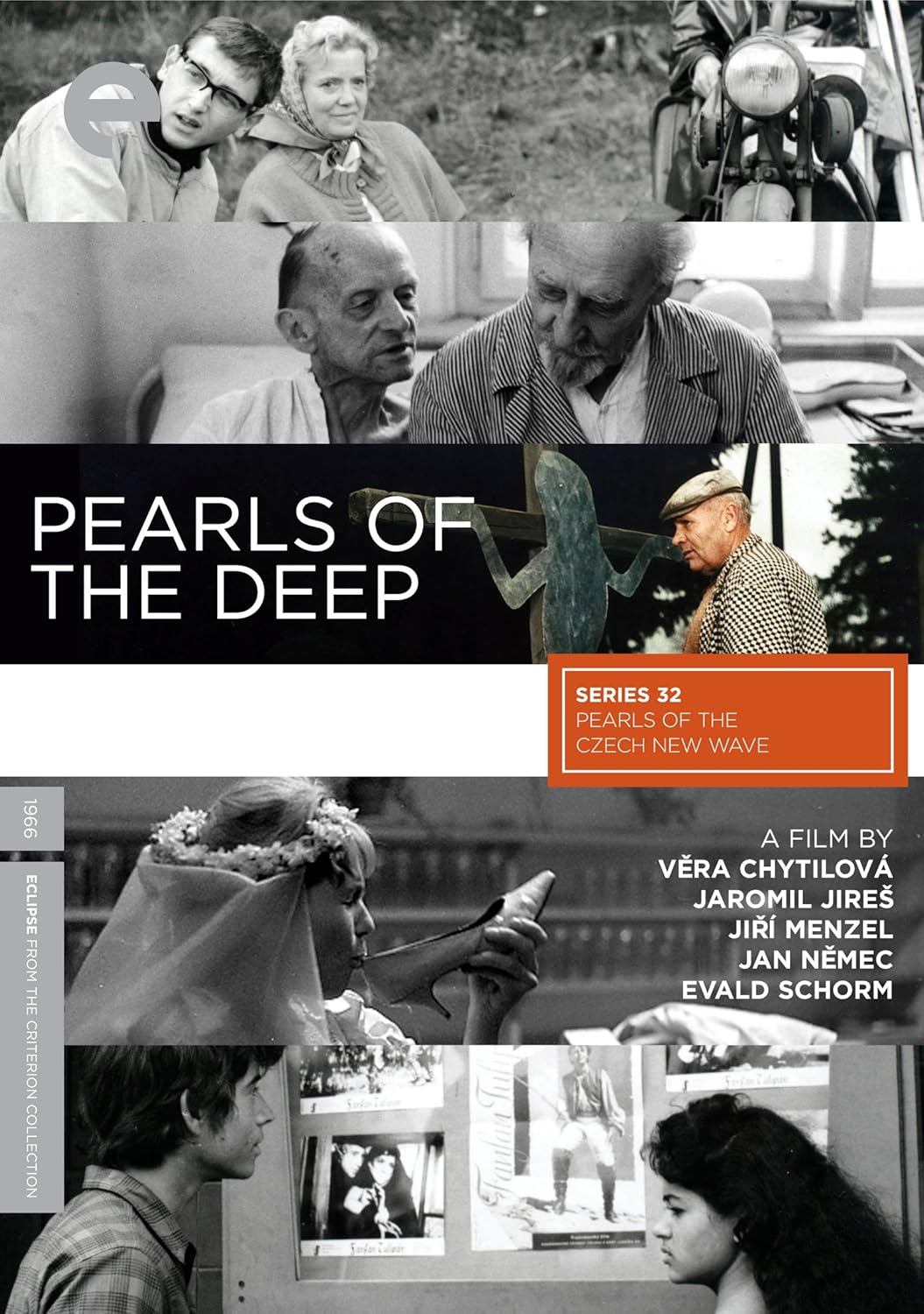
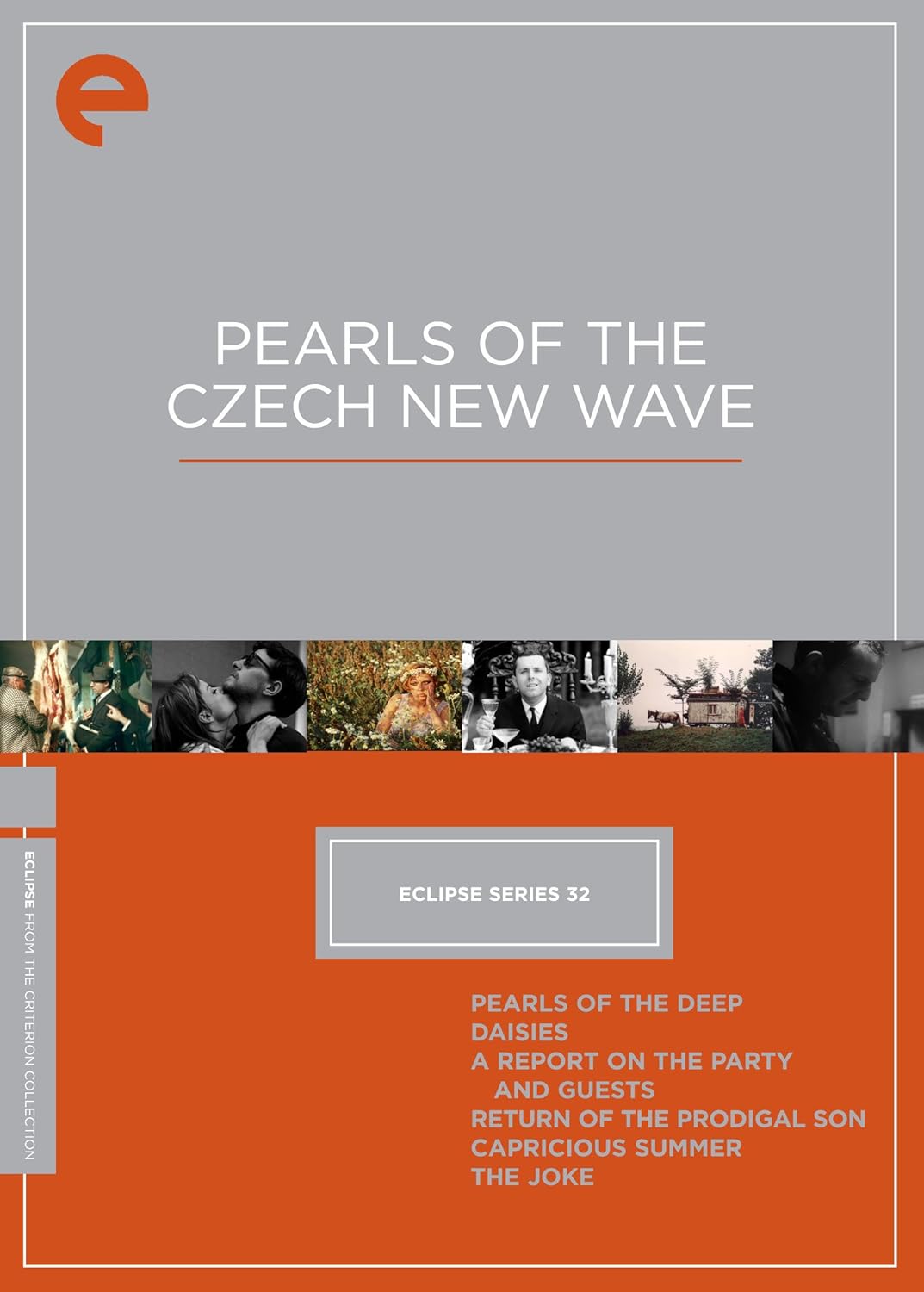
Edition screened: Included in Criterion Eclipse Series 32: Pearls of the Czech New Wave 4-DVD set, released 2012. Czech language with English  subtitles. Runtime approximately 107 minutes.

Summary: One of the five segments shows various stages of hide tanning.

Details:
The House of Joy is set in the home of a tanner, with numerous images of goat and rabbit skins in various stages of skinning and curing 40:12-43:20, and again 57:19-58:37. This last sequence ends with the tanner transporting a large dead dog on his bicycle, with a leashed small dog ominously coming along as well. (The individual films run as one continuous presentation, with the 23-minute The House of Joy running 36:50-59:29.)

This omnibus presentation includes a 2-minute introduction and five short films based on stories by Czech author Bohumil Hrabal:

Mr. Baltazar’s Death (24 minutes, Jiří Menzel)
The Imposters (11 minutes, Jan Němec)
The House of Joy (23 minutes, Evald Schorm)
The Restaurant the World (24 minutes, Věra Chytilová)
Romance (24 minutes, Jaromil Jireš)